
A single hurricane can dump trillions of gallons of water on Florida, and your gutter system is the primary tool for directing that deluge away from your home. When that system fails, it’s not just an inconvenience; it’s an invitation for significant structural damage.
Think of your gutters as a dedicated highway system for rainwater. When they are clear and functional, they efficiently channel immense volumes of water away from your home’s most vulnerable areas. However, when clogged with leaves, twigs, and other debris, that highway turns into a catastrophic traffic jam. Water has nowhere to go but over the sides, creating a cascade of problems that extend far beyond a simple overflow.
This overflow isn’t just messy. It directly contributes to foundation erosion as water pools around the base of your home, weakening its structural integrity. Water can also back up under your roof shingles, leading to rot, leaks, and costly roof repairs. Siding becomes saturated, promoting decay and discoloration. These are not just possibilities; they are the likely outcomes of neglect during Florida’s intense storm season.
The issues don’t stop there. In our humid climate, persistent moisture from faulty gutters creates the perfect breeding ground for mold and pests. A simple gutter problem can quickly escalate into an unhealthy living situation, turning a preventable issue into a complex and expensive ordeal.
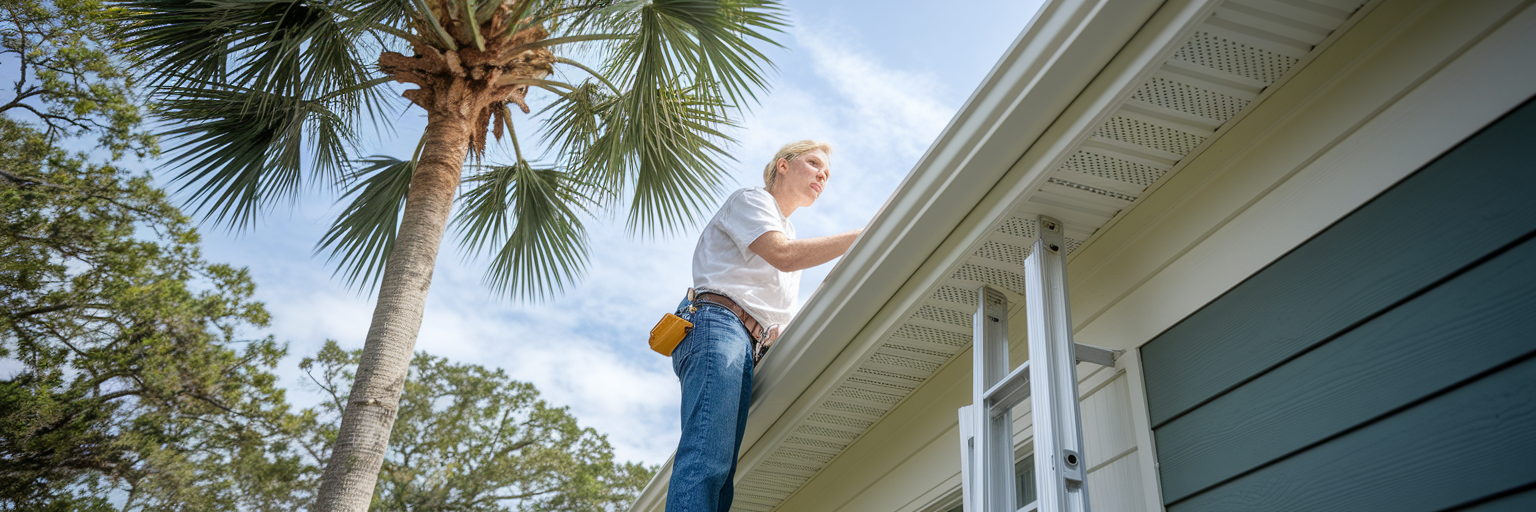
Before the storm clouds gather, a thorough visual check can reveal vulnerabilities in your gutter system. This simple walk-around is the first step in any effective gutter preparation for hurricane season. You don’t need to be an expert to spot trouble. The goal is to identify potential failure points before they are put to the test by hurricane-force wind and rain. A proper Orlando gutter inspection starts with looking up from the ground.
Pay close attention to how the gutters are attached to your home. Are there sections pulling away from the roofline? Do you see any sagging or bending? These are clear signs that the fasteners are failing and may not withstand a storm. Walk the perimeter of your home and use this checklist to guide your inspection.
| Area of Inspection | What to Look For (Signs of Damage) | Potential Hurricane Risk |
|---|---|---|
| Gutter Sections | Visible cracks, holes, rust spots, or peeling paint. | Sections can split or break apart under heavy rain. |
| Hangers & Fasteners | Sagging sections, loose or missing screws/brackets. | Gutters can detach from the house in high winds. |
| Seams & Joints | Gaps, sealant deterioration, or drips at connection points. | These are weak points that often fail and leak first. |
| Downspouts & Drainage | Loose connections, blockages at the outlet, water pooling near the foundation. | Overflow can saturate the ground, compromising the foundation. |
Note: This checklist is for visual inspection from the ground or a secure ladder. Any signs of significant damage warrant a professional assessment.
Once you have completed your inspection, the next critical task is cleaning. In Central Florida, gutters quickly fill with a dense mixture of pine needles, heavy oak leaves, and stringy palm fronds. This debris forms a solid, water-logged mass that can weigh hundreds of pounds, putting immense strain on your gutter system even before a storm hits. Knowing how to clean gutters before a storm is essential for ensuring they can handle the deluge.
Follow these steps for a comprehensive cleaning:
While DIY cleaning is an option, it comes with safety risks, especially on multi-story homes or with steep roofs. A professional service ensures a thorough job without putting you in harm’s way. The best time for this task is during Florida’s drier months in late spring, ensuring your system is clear well ahead of hurricane season. For more property maintenance advice, you can explore additional insights we’ve shared on our blog.
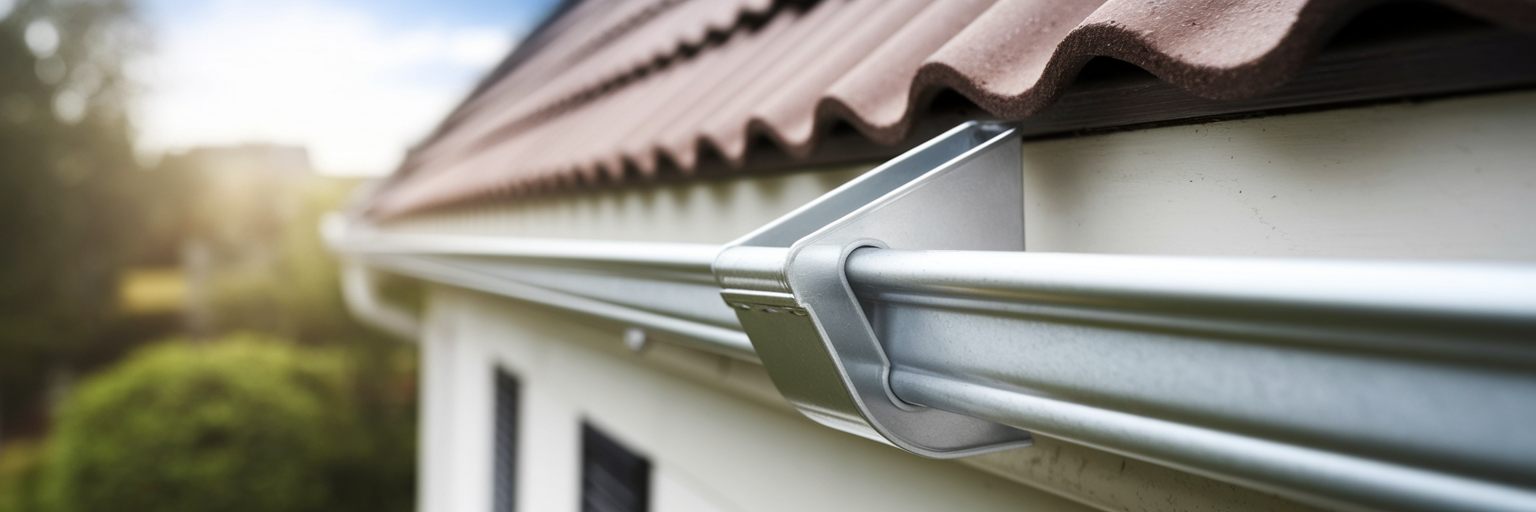
A hurricane challenges your gutters with more than just water; it batters them with powerful winds. Gutters that are not securely fastened can be torn from your home, causing significant damage to the roof, fascia, and siding. The goal is to achieve hurricane proof gutters Florida homeowners can depend on, and that requires reinforcing the entire system.
Here are actionable steps to secure your gutters against high winds:
While gutter guards can help prevent debris from entering the channels during a storm, they are not a substitute for a pre-season cleaning and inspection. True storm protection is holistic. As noted by construction experts at CK Select Roofing, reinforcing roof-to-wall connections with hurricane straps can significantly increase a home’s overall wind resistance, complementing a well-secured gutter system.
If your inspection reveals widespread damage, it might be time to consider a replacement. Investing in the right system is a long-term solution for protecting your home. For our region, the best gutters for Florida rain are widely considered to be 6-inch K-style seamless aluminum gutters. This specific design is the standard for a reason.
The larger 6-inch size has a greater capacity to handle the sheer volume of rainfall produced by a tropical storm or hurricane. Furthermore, aluminum is naturally rust-resistant, a crucial feature in Florida’s humid, salt-laden air. The “seamless” aspect is perhaps the most important feature, as it means the gutters are formed from one continuous piece of metal. This eliminates the joints and seams that are the most common failure points in traditional sectional gutters.
To complete the system, these gutters should be paired with oversized 3×4 inch downspouts. This combination allows water to be expelled rapidly, preventing overflow during the most intense downpours. As noted by Florida Roofing and Gutters, this setup is a trusted choice for homeowners across the state. For those interested in upgrading, exploring the professional installation options we offer is a logical next step.
While some maintenance tasks are manageable, there are clear signs that it’s time to call for professional help. Your safety and the effectiveness of the job should always be the priority. A DIY approach becomes risky or insufficient under certain conditions.
Consider calling an expert if you encounter any of the following:
An experienced technician can spot subtle issues an untrained eye might miss, providing peace of mind before a storm. Completing your gutter preparation for hurricane season is not something to put off. Demand for professional service surges when a hurricane watch is issued, so scheduling an appointment well in advance is a wise decision. Our team offers free, no-obligation estimates to help Orlando homeowners understand their needs, and you can easily contact us to schedule one.
If you are in a Eastern Florida location and need your gutters cleaned – Contact https://guttercleaningdaytonabeach.com/

Monday – Friday: 8:00 AM – 7:00 PM
Saturday: Closed
Sunday: Closed
Amigos Ave, Orlando, FL 32808